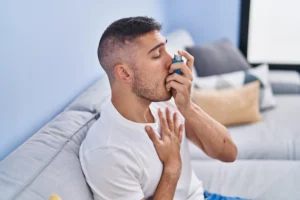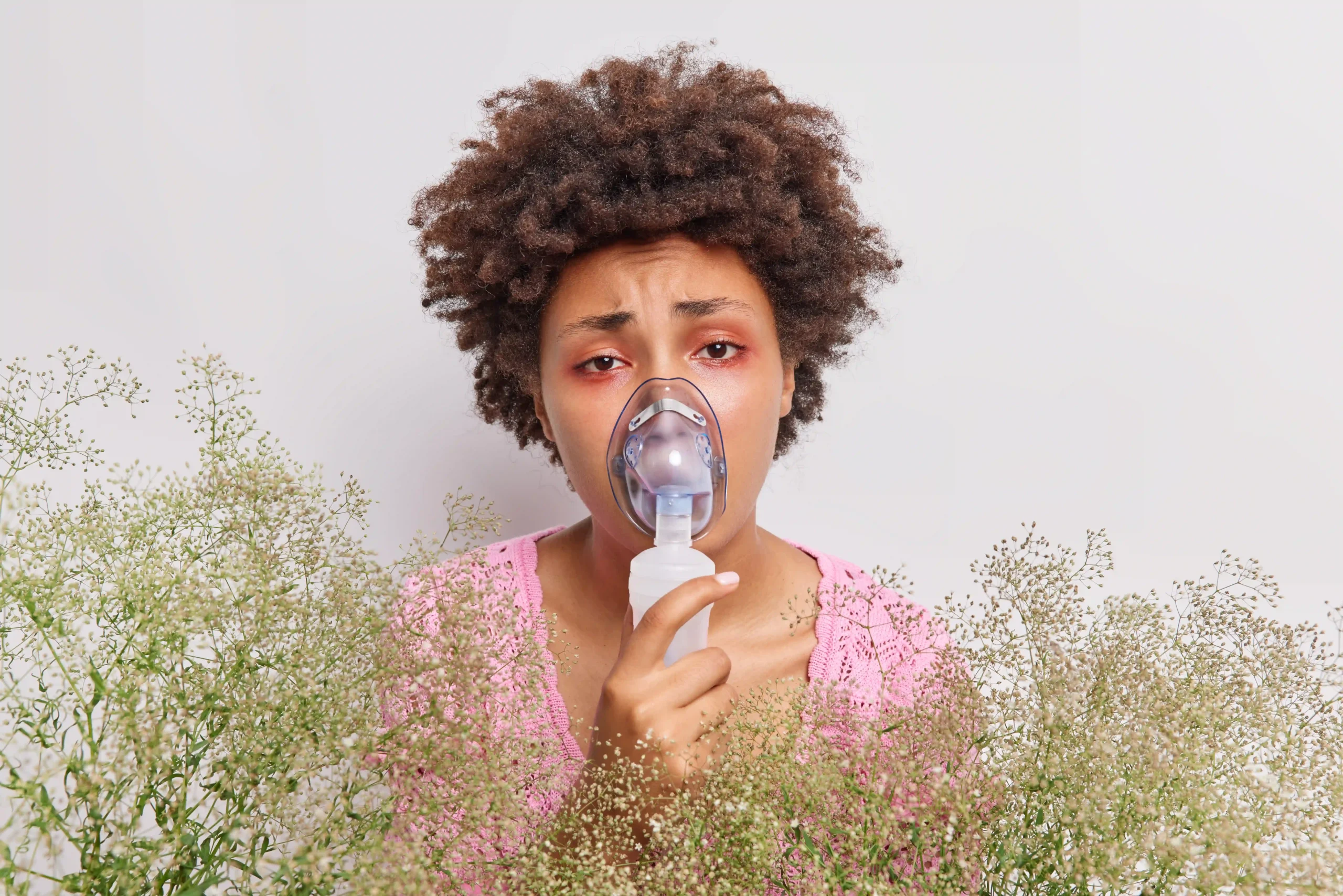
If someone around you has asthma, you may have wondered — can I catch it from them? Is asthma a communicable disease that spreads from person to person?
This is one of the most commonly asked questions about asthma — and the answer is no. Asthma is not a communicable disease. You cannot catch asthma from another person the way you catch a cold or the flu.
But there is more to it than a simple yes or no. Understanding what asthma actually is, why it develops, and what can trigger it helps clear up a lot of confusion and unnecessary fear around this condition.
This complete guide covers 7 important facts about asthma, common myths, the types of asthma, and when to see a specialist.
What Is Asthma — and Is It a Communicable Disease?
Asthma is a long-term condition that affects the airways carrying air in and out of the lungs. In people with asthma, these airways are inflamed and more sensitive than normal.
When triggered, the airways can swell, produce extra mucus, and tighten, making breathing difficult. This can lead to coughing, wheezing, chest tightness, and shortness of breath.
A communicable disease spreads from person to person, but asthma does not spread this way. It is a non-communicable disease linked to genetic and environmental factors. You cannot get asthma by being near someone, coughing or sharing the same space.
Common Symptoms of Asthma
Asthma symptoms can be mild or concerning and often vary from person to person. The most common symptoms include:
- Wheezing — a whistling or squeaky sound when breathing, especially when exhaling
- Shortness of breath — feeling like you cannot get enough air in
- Chest tightness — a heavy or squeezing feeling in the chest
- Constant coughing — often worse at night or early in the morning
- Difficulty sleeping due to breathlessness or coughing at night
- Symptoms that improve with a reliever inhaler — this is one of the clearest signs of asthma
Symptoms can come and go. Some people only experience them during exercise or in certain seasons. Others have symptoms more frequently throughout the year.
Know the Types of Asthma
Asthma is not the same in every patient. There are several types, each with different triggers and management approaches:
Allergic Asthma
The most common type. Symptoms are triggered by allergens such as pollen, dust mites, pet dander, or mould. People with allergic asthma often also have hay fever or eczema.
Non-Allergic Asthma
Triggered by factors that are not allergens — such as cold air, exercise, stress, strong smells, or respiratory infections. No allergy involvement is identified on testing.
Exercise-Induced Asthma
Symptoms appear during or shortly after physical activity. This can occur in people with or without underlying chronic asthma.
Occupational Asthma
Caused by long-term exposure to specific substances at work — such as flour dust, latex, isocyanates, or chemicals. Symptoms typically improve on weekends or holidays away from the workplace.
Childhood Asthma
Asthma that develops in early childhood, often with an allergic basis. Some children grow out of it; others continue to have asthma into adulthood.
Adult-Onset Asthma
Asthma that develops for the first time in adulthood — sometimes linked to hormonal changes, obesity, or occupational exposure.
7 Key Facts You Should Know About Asthma
These seven facts address the most common misunderstandings about asthma — including the communicable disease question — and give you a clearer picture of what this condition actually is.
Fact 1: Asthma is not contagious.
You cannot catch asthma from someone who has it. It does not spread through the air, through touch, or through any other form of contact.
Fact 2: Asthma is caused by genetics and environment — not infection.
Asthma develops because of an inherited tendency in the airways combined with environmental triggers. It is not caused by a virus or bacteria that can pass between people.
Fact 3: Asthma can develop at any age.
While many people develop asthma in childhood, it can first appear in adulthood — even in people who had no breathing problems earlier in life.
Fact 4: Infections can trigger asthma attacks — but they do not cause asthma.
Viral infections like colds and flu can make existing asthma worse and trigger an asthma attack. But catching an infection from someone with asthma does not mean you will develop asthma.
Fact 5: Asthma cannot be cured, but it can be very well controlled.
With the right treatment plan, most people with asthma live full, active, and largely symptom-free lives.
Fact 6: Poorly controlled asthma can permanently damage the airways.
Long-standing, uncontrolled asthma can lead to a process called airway remodelling — permanent structural changes that make the airways narrower over time. This is why consistent treatment matters.
Fact 7: Asthma is one of the most common chronic conditions in the world.
According to the World Health Organisation, over 260 million people worldwide have asthma. It is not rare — and it is very manageable with proper care.
Can You Get Asthma from Someone Who Has It?
No, you cannot get asthma from someone who has it. Asthma is not contagious and does not spread from person to person.
The confusion often occurs because respiratory infections like colds and flu can trigger asthma attacks. You may catch the viral infection that triggered someone’s symptoms, but you cannot catch their asthma.
Asthma develops due to a combination of genetic susceptibility and environmental factors. Even if you catch a respiratory virus from someone with asthma, it does not mean you will develop asthma.
Myths vs Facts About Asthma
| Myth | Fact |
| Asthma is contagious | Asthma cannot be passed from person to person |
| Asthma is only a childhood condition | Asthma can develop at any age, including adulthood |
| Inhalers are addictive | Inhalers are not addictive; they are safe for long-term use |
| You should avoid exercise if you have asthma | Most people with well-controlled asthma can exercise safely |
| Asthma always gets worse with age | With proper management, asthma can remain stable for many years |
| You can cure asthma with diet alone | Diet may help manage some triggers, but cannot cure asthma |
| Moving to a different climate will cure asthma | Climate change may reduce some triggers, but does not cure the condition |
Why Asthma Is Not a Communicable Disease
To understand why asthma is not communicable, it helps to understand how communicable diseases actually spread.
Communicable diseases are caused by pathogens — bacteria, viruses, fungi, or parasites — that can pass from one person to another. Examples include tuberculosis, influenza, and measles.
Asthma has no pathogen. It cannot be transmitted because there is nothing to transmit. The condition develops because:
- Certain inherited gene variants make the airways more sensitive and prone to inflammation
- Environmental exposures — such as allergens, pollution, or infections — activate this underlying sensitivity over time
- The immune system in predisposed individuals responds more strongly to triggers than it does in people without asthma
None of these factors can be passed from one person to another. This firmly places asthma in the category of non-communicable, chronic respiratory disease — alongside conditions like diabetes and heart disease.
Can Infections Trigger Asthma Attacks?
Yes — and this is an important distinction to understand.
While infections do not cause asthma, they can absolutely trigger asthma attacks in someone who already has the condition. Respiratory viral infections are, in fact, the most common cause of asthma flare-ups.
The most frequent infection triggers include:
- Rhinovirus — the common cold virus — accounts for the majority of asthma exacerbations
- Influenza (flu) — can cause severe asthma flare-ups, particularly in winter
- RSV (Respiratory Syncytial Virus) — especially significant in young children with asthma
- COVID-19 — respiratory virus infections, including COVID, can worsen asthma control
This is why annual flu vaccination is strongly recommended for people with asthma — reducing infection frequency directly reduces the number of asthma attacks.
How Is Asthma Different From Communicable Diseases?
| Feature | Asthma | Communicable Disease |
| Can it spread between people? | No | Yes |
| Caused by a pathogen? | No | Yes (virus, bacteria, etc.) |
| Requires isolation of the patient? | No | Often yes |
| Genetic component? | Yes — significant | Rarely |
| Can it be vaccinated against? | No | Often yes |
| Long-term chronic condition? | Yes | Usually not |
| Triggered by the environment? | Yes | Can be, but differently |
The key difference is that communicable diseases have an external infectious cause that can pass between people. Asthma has an internal origin — rooted in genetics and individual immune response — that no contact with another person can transmit.
Can You Prevent Asthma?
Asthma cannot always be prevented, especially when there is a strong genetic predisposition. However, there are practical steps that can reduce the risk of developing asthma or help prevent symptoms from worsening.
For People at Risk of Developing Asthma
- Avoid exposure to tobacco smoke — both active smoking and secondhand smoke, especially during pregnancy and early childhood
- Reduce indoor allergen exposure — use allergen-proof mattress covers, keep humidity low, and remove mould promptly
- Breastfeed for at least six months where possible — associated with lower rates of atopic disease in children
- Avoid unnecessary antibiotic use in infancy — it may affect immune system development
For People Who Already Have Asthma
- Take daily controller medication as prescribed — do not stop when symptoms improve
- Know your personal triggers and reduce exposure where possible
- Get a flu vaccination every year
- Maintain a healthy weight — obesity significantly worsens asthma control
- Follow a written Asthma Action Plan from your doctor
- Have regular spirometry to monitor lung function
When to See a Pulmonologist
Mild breathing symptoms do not always need specialist care straight away. But certain signs mean you should see a pulmonologist without delay:
- Coughing, wheezing, or breathlessness that keeps coming back
- Symptoms that are disturbing your sleep regularly
- A reliever inhaler that seems to be working less effectively than before
- Asthma attacks that are becoming more frequent or more severe
- Breathlessness that is interfering with your ability to work or exercise
- A new diagnosis of asthma at any age
- A family history of asthma combined with new respiratory symptoms
Early diagnosis and the right treatment plan significantly reduce the long-term impact that asthma has on your health and quality of life.
Frequently Asked Questions
1. How many years can an asthma patient live?
Most people with well-managed asthma can live a normal, long life. The greater risk comes from severe or uncontrolled asthma. Regular treatment, trigger management, and medical follow-ups help maintain better asthma control.
2. Is asthma 100% curable?
No, asthma is a chronic condition and currently has no complete cure. However, the right medication, trigger management, and regular medical care can control symptoms and help most people live active, normal lives.
3. What is stage 4 of asthma?
“Stage 4” may refer to a higher treatment step in some asthma management frameworks rather than a universal stage of the disease. It generally involves asthma that requires more intensive treatment and close medical monitoring to achieve control.
4. Do lungs heal after asthma?
With well-controlled asthma, many people can maintain good lung function. However, long-term uncontrolled inflammation may lead to airway changes, making early diagnosis and consistent asthma management important.
5. Can asthma be spread through kissing?
No, asthma cannot spread through kissing or physical contact because it is not an infectious disease. A respiratory virus may spread through close contact, but catching the virus does not mean you will catch asthma.
Conclusion
Asthma is not a communicable disease and cannot spread from person to person. It is a chronic, non-contagious respiratory condition linked to genetic susceptibility and environmental factors.
Understanding this difference can reduce unnecessary fear and help patients focus on what truly matters—identifying asthma triggers, following the prescribed treatment plan, and seeking appropriate medical care when symptoms are difficult to control.
If you are in Noida or the surrounding NCR region and need an asthma or respiratory evaluation, Dr. Anand Vardhan, Consultant Pulmonologist at Anand Family Clinic and an experienced pulmonologist in Noida, provides personalized diagnosis and asthma management to help patients breathe better and manage their symptoms effectively.